
Abstract:
The virtue of knowledge serves as the ultimate catalyst for human excellence, transcending the superficial barriers of wealth, lineage, and social status. As illustrated through the Divine appointment of King Talut, true leadership and merit are rooted in intellectual depth and physical capability, proving that wisdom is a more potent tool for governance than material abundance. In the Islamic tradition, knowledge is not a passive acquisition but a dynamic responsibility; it reaches its highest virtue only when it is transformed into action and shared to enlighten others, as emphasized in the Prophetic tradition regarding “permissible envy.” For the modern student, this highlights a holistic path to success where the pursuit of wisdom becomes a moral obligation to refine the self and serve humanity, effectively replacing ego-driven competition with a spiritual and strategic quest for communal progress.
Keyword: Quran, Hadees, physical well-being, wisdom,
Introduction:
Allah almighty said in the Quran:
وَقَالَ لَهُمْ نَبِيُّهُمْ اِنَّ اللّٰهَ قَدْ بَعَثَ لَكُمْ طَالُوْتَ مَلِكًا ۭ قَالُوْٓا اَنّٰى يَكُوْنُ لَهُ الْمُلْكُ عَلَيْنَا وَنَحْنُ اَحَقُّ بِالْمُلْكِ مِنْهُ وَلَمْ يُؤْتَ سَعَةً مِّنَ الْمَالِ ۭ قَالَ اِنَّ اللّٰهَ اصْطَفٰىهُ عَلَيْكُمْ وَزَادَهٗ بَسْطَةً فِي الْعِلْمِ وَالْجِسْمِ ۭ وَاللّٰهُ يُؤْتِيْ مُلْكَهٗ مَنْ يَّشَاۗءُ ۭ وَاللّٰهُ وَاسِعٌ عَلِيْمٌ ۔
“And their prophet said unto those elders:237 “Behold, now God has raised up Saul to be your king.” They said: “How can he have dominion over us when we have a better claim to dominion than he, and he has not [even] been endowed with abundant wealth?” [The prophet] replied: “Behold, God has exalted him above you, and endowed him abundantly with knowledge and bodily perfection. And God bestows His dominion238 upon whom He wills: for God is infinite, all-knowing.”

Interpretation
This commentary explains the historical and Quranic context of why Talut was chosen as the first King of Israel (approx. 1028 BC – 1012 BC) and addresses the objections raised by his people.
- The Divine Selection (The Prophet’s Role)
Prophet Samuel (peace be upon him) informed the Israelites that Allah had specifically chosen Talut to lead them against the Philistines. The Torah also supports this, mentioning that God told Samuel a man from the land of Benjamin would come to him, and he should be anointed as the ruler.
- The People’s Objections
The Israelites were hesitant to accept Talut for two main reasons:
- Lineage (Family Background): The Israelites believed leadership was reserved for the tribe of Judah and prophethood for the tribe of Levi. Talut belonged to the tribe of Benjamin, which was the smallest and least influential.
- Wealth: They argued that he was not wealthy enough to be a king. Like caste systems in other cultures, they believed a leader must come from a rich or high-status family.
- The Divine Criteria for Leadership
Prophet Samuel gave two powerful responses to these objections:
- The Spiritual Response: This was a choice made by Allah. Since Allah is the True Owner of all kingdoms, He has the absolute right to grant authority to whomever He wills, regardless of their wealth.
- The Rational (Logical) Response: Leadership requires specific skills, not money. Allah granted Talut two superior qualities:
- Excellence in Knowledge :He was the most knowledgeable in military strategy, politics, and religion at that time.
- Excellence in Physique : He was remarkably tall and strong. The Torah describes him as being a head taller than anyone else in the nation.
- The Significance of the Name “Talut”
The commentary highlights the linguistic beauty of the Quran. The name Talut is derived from the Arabic word Tūl (طول), which means height/length. This perfectly describes his physical stature, as he was a man of great height and impressive presence.
Prophet Muhammad (PBUH) Said:
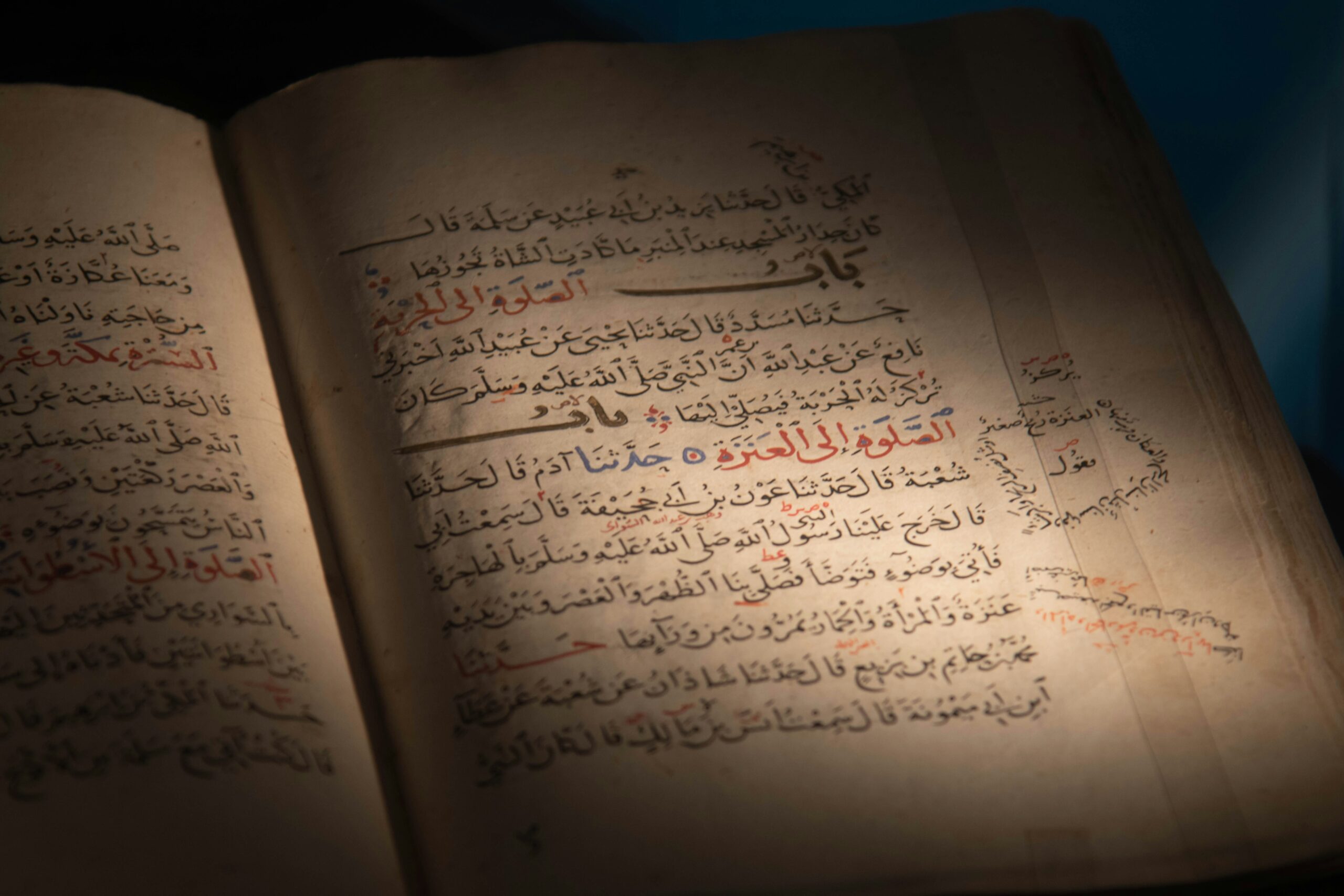
حَدَّثَنَا الْحُمَيْدِيُّ قَالَ حَدَّثَنَا سُفْيَانُ قَالَ حَدَّ ثَنَا إِسْمَاعِيلُ بْنُ أَبِي خَالِدٍ عَلَی غَيْرِ مَا حَدَّثَنَاهُ الزُّهْرِيُّ قَالَ سَمِعْتُ قَيْسَ بْنَ أَبِي حَازِمٍ قَالَ سَمِعْتُ عَبْدَ اللَّهِ بْنَ مَسْعُودٍ قَالَ قَالَ النَّبِيُّ صَلَّی اللَّهُ عَلَيْهِ وَسَلَّمَ لَا حَسَدَ إِلَّا فِي اثْنَتَيْنِ رَجُلٌ آتَاهُ اللَّهُ مَالًا فَسُلِّطَ عَلَی هَلَکَتِهِ فِي الْحَقِّ وَرَجُلٌ آتَاهُ اللَّهُ الْحِکْمَةَ فَهُوَ يَقْضِي بِهَا وَيُعَلِّمُهَا۔
Narrated ‘Abdullah bin Mas’ud (RA): The Prophet (صلی اللہ علیہ وآلہ وسلم) said, “Do not wish to be like anyone except in two cases. (The first is) A person, whom Allah has given wealth and he spends it righteously; (the second is) the one whom Allah has given wisdom (the Holy Qur’an) and he acts according to it and teaches it to others.” (Fateh-al-Bari page 177 Vol. 1)
Findings & Conclusion
- Merit Over Money (The True Definition of Success)
In today’s world, we often judge people by their social media status, expensive cars, or family background. The story of Talut teaches us that merit matters more than money.
- The Lesson: Do not feel inferior if you are not wealthy. Your value is determined by your skills and character, not your bank balance.
- The Power of “Knowledge and Strength”
The Quran highlights two specific qualities for leadership: Knowledge and Physical Excellence.
- Mental Growth: A student must strive for deep knowledge—not just to pass exams, but to understand strategy, logic, and religion.
- Physical Well-being: A sharp mind needs a healthy body. Maintaining physical fitness is not just a hobby; it is a requirement for fulfilling big responsibilities.
- Redefining “Envy” (Based on the Hadith)
The Hadith mentioned changes how we look at competition. Usually, jealousy is negative, but the Prophet (PBUH) taught us to “envy” only two types of people:
- Those who have Wealth and spend it for the good of humanity.
- Those who have Wisdom (The Quran) and use it to guide others.
- The Lesson: Stop competing for fashion or fame. Compete in how much you can learn and how much you can give back to society.
- Breaking the “Caste” or “Lineage” Barrier
The Israelites rejected Talut because he wasn’t from a “royal tribe.” Today, students might face bias because of their ethnicity, city, or family’s profession.
- The Lesson: Allah’s selection is based on capability. If you work hard and develop your skills, Allah can open doors for you that society tries to close.
- Trusting the Divine Plan
Sometimes, the best person for a job doesn’t look like what people expect.
- The Lesson: Be humble. If you are chosen for a position, know it is from Allah. If someone else is chosen, respect their capability instead of being stuck in “why them and not me?”