
Abstract
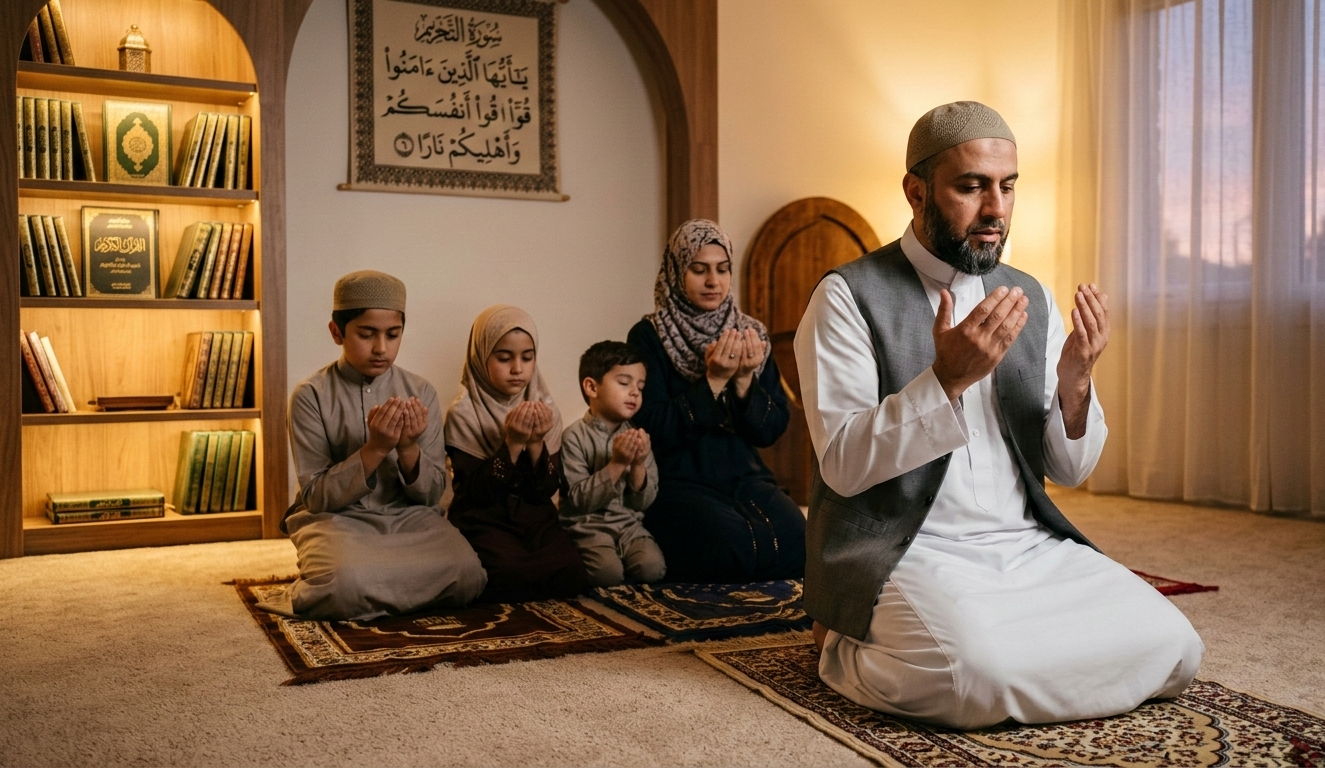
The Intercession of a Person’s Good Deeds on Behalf of Their Family reflects a profound Islamic principle that righteousness extends beyond the individual and becomes a source of mercy and elevation for one’s loved ones. The Qur’an commands believers, “O you who believe, protect yourselves and your families from a Fire” (66:6), establishing personal piety as the foundation of family salvation. Classical exegetes such as Ibn Kathir explain that this protection is achieved through faith, moral discipline, and nurturing one’s household upon obedience to Allah. Furthermore, the Qur’an promises, “And those who believed and whose descendants followed them in faith – We will join their descendants with them” (52:21), indicating that through divine mercy, the righteousness of parents can contribute to the elevation of their offspring in the Hereafter. Prophetic teachings reinforce this interconnected spiritual relationship: the Prophet ﷺ said, “When a person dies, his deeds end except for three: ongoing charity, beneficial knowledge, or a righteous child who prays for him” (Sahih Muslim), demonstrating how sincere upbringing transforms into lasting spiritual benefit. Another narration in Sunan Ibn Majah mentions that a believer’s rank in Paradise may be raised because of a child’s supplication, highlighting the reciprocal nature of familial devotion. Although ultimate intercession belongs solely to Allah, He has made righteous deeds, sincere faith, and proper upbringing means of mercy that transcend generations. Thus, in Islam, personal reform is inseparable from family reform; a life of prayer, charity, patience, and obedience not only secures individual success but also becomes a continuing source of guidance, forgiveness, and elevation for one’s family in this world and the Hereafter.
Keyword: Tawḥīd, Personal accountability, Righteous deeds, Sincerity, Fear of Allah, Obedience to Allah,

Introduction:
Allah Almighty said in Quran:
تِلْكَ اُمَّةٌ قَدْ خَلَتْ ۚ لَهَا مَا كَسَبَتْ وَلَكُمْ مَّا كَسَبْتُمْ ۚ وَلَا تُسْـــَٔــلُوْنَ عَمَّا كَانُوْا يَعْمَلُوْنَ ۔(القرآن،البقرۃ:134۔)
That is a nation that has passed away; there awaits them that they have earned, and there awaits you that you have earned; you shall not be questioned concerning the things they did.
Interpretation:
That (tilka, is the subject of this sentence and denotes Abraham, Jacob and his sons, and is feminine because it agrees with the gender of its predicate) is a community that has passed away, has gone before; theirs is what they have earned, the reward for their deeds (laha ma kasabat, theirs is what they have earned’, constitutes the commencement of a new sentence) and yours (the Jews are being addressed here) is what you have earned; you shall not be asked about what they did, in the same way that they will not be asked about what you did, this latter statement being an affirmation of the former.
Holy Prophet (صلی اللہ علیہ وآلہ وسلم ) said:
عَنْ ابْنِ عُمَرَ رَضِيَ اللَّهُ عَنْهُمَا عَنْ النَّبِيِّ صَلَّی اللَّهُ عَلَيْهِ وَسَلَّمَ قَالَ خَرَجَ ثَلَاثَةُ نَفَرٍ يَمْشُونَ فَأَصَابَهُمْ الْمَطَرُ فَدَخَلُوا فِي غَارٍ فِي جَبَلٍ فَانْحَطَّتْ عَلَيْهِمْ صَخْرَةٌ قَالَ فَقَالَ بَعْضُهُمْ لِبَعْضٍ ادْعُوا اللَّهَ بِأَفْضَلِ عَمَلٍ عَمِلْتُمُوهُ فَقَالَ أَحَدُهُمْ اللَّهُمَّ إِنِّي کَانَ لِي أَبَوَانِ شَيْخَانِ کَبِيرَانِ فَکُنْتُ أَخْرُجُ فَأَرْعَی ثُمَّ أَجِيئُ فَأَحْلُبُ فَأَجِيئُ بِالْحِلَابِ فَآتِي بِهِ أَبَوَيَّ فَيَشْرَبَانِ ثُمَّ أَسْقِي الصِّبْيَةَ وَأَهْلِي وَامْرَأَتِي فَاحْتَبَسْتُ لَيْلَةً فَجِئْتُ فَإِذَا هُمَا نَائِمَانِ قَالَ فَکَرِهْتُ أَنْ أُوقِظَهُمَا وَالصِّبْيَةُ يَتَضَاغَوْنَ عِنْدَ رِجْلَيَّ فَلَمْ يَزَلْ ذَلِکَ دَأْبِي وَدَأْبَهُمَا حَتَّی طَلَعَ الْفَجْرُ اللَّهُمَّ إِنْ کُنْتَ تَعْلَمُ أَنِّي فَعَلْتُ ذَلِکَ ابْتِغَائَ وَجْهِکَ فَافْرُجْ عَنَّا فُرْجَةً نَرَی مِنْهَا السَّمَائَ قَالَ فَفُرِجَ عَنْهُمْ وَقَالَ الْآخَرُ اللَّهُمَّ إِنْ کُنْتَ تَعْلَمُ أَنِّي کُنْتُ أُحِبُّ امْرَأَةً مِنْ بَنَاتِ عَمِّي کَأَشَدِّ مَا يُحِبُّ الرَّجُلُ النِّسَائَ فَقَالَتْ لَا تَنَالُ ذَلِکَ مِنْهَا حَتَّی تُعْطِيَهَا مِائَةَ دِينَارٍ فَسَعَيْتُ فِيهَا حَتَّی جَمَعْتُهَا فَلَمَّا قَعَدْتُ بَيْنَ رِجْلَيْهَا قَالَتْ اتَّقِ اللَّهَ وَلَا تَفُضَّ الْخَاتَمَ إِلَّا بِحَقِّهِ فَقُمْتُ وَتَرَکْتُهَا فَإِنْ کُنْتَ تَعْلَمُ أَنِّي فَعَلْتُ ذَلِکَ ابْتِغَائَ وَجْهِکَ فَافْرُجْ عَنَّا فُرْجَةً قَالَ فَفَرَجَ عَنْهُمْ الثُّلُثَيْنِ وَقَالَ الْآخَرُ اللَّهُمَّ إِنْ کُنْتَ تَعْلَمُ أَنِّي اسْتَأْجَرْتُ أَجِيرًا بِفَرَقٍ مِنْ ذُرَةٍ فَأَعْطَيْتُهُ وَأَبَی ذَاکَ أَنْ يَأْخُذَ فَعَمَدْتُ إِلَی ذَلِکَ الْفَرَقِ فَزَرَعْتُهُ حَتَّی اشْتَرَيْتُ مِنْهُ بَقَرًا وَرَاعِيهَا ثُمَّ جَائَ فَقَالَ يَا عَبْدَ اللَّهِ أَعْطِنِي حَقِّي فَقُلْتُ انْطَلِقْ إِلَی تِلْکَ الْبَقَرِ وَرَاعِيهَا فَإِنَّهَا لَکَ فَقَالَ أَتَسْتَهْزِئُ بِي قَالَ فَقُلْتُ مَا أَسْتَهْزِئُ بِکَ وَلَکِنَّهَا لَکَ اللَّهُمَّ إِنْ کُنْتَ تَعْلَمُ أَنِّي فَعَلْتُ ذَلِکَ ابْتِغَائَ وَجْهِکَ فَافْرُجْ عَنَّا فَکُشِفَ عَنْهُمْ۔ Sahih al-Bukhari – Volume 1, Hadith Number 2125
Narrated Ibn ‘Umar (RA):
The Prophet (صلی اللہ علیہ وآلہ وسلم) said, “While three persons were walking, rain began to fall and they had to enter a cave in a mountain. A big rock rolled over and blocked the mouth of the cave. They said to each other, ‘Invoke Allah with the best deed you have performed (so Allah might remove the rock)’. One of them said, ‘O Allah! My parents were old and I used to go out for grazing (my animals). On my return I would milk (the animals) and take the milk in a vessel to my parents to drink. After they had drunk from it, I would give it to my children, family and wife. One day I was delayed and on my return I found my parents sleeping, and I disliked to wake them up. The children were crying at my feet (because of hunger). That state of affairs continued till it was dawn. O Allah! If You regard that I did it for Your sake, then please remove this rock so that we may see the sky.’ So, the rock was moved a bit. The second said, ‘O Allah! You know that I was in love with a cousin of mine, like the deepest love a man may have for a woman, and she told me that I would not get my desire fulfilled unless I paid her one-hundred Dinars (gold pieces). So, I struggled for it till I gathered the desired amount, and when I sat in between her legs, she told me to be afraid of Allah, and asked me not to deflower her except rightfully (by marriage). So, I got up and left her. O Allah! If You regard that I did if for Your sake, kindly remove this rock.’ So, two-thirds of the rock was removed. Then the third man said, ‘O Allah! No doubt You know that once I employed a worker for one Faraq (three Sa’s) of millet, and when I wanted to pay him, he refused to take it, so I sowed it and from its yield I bought cows and a shepherd. After a time that man came and demanded his money. I said to him: Go to those cows and the shepherd and take them for they are for you. He asked me whether I was joking with him. I told him that I was not joking with him, and all that belonged to him. O Allah! If You regard that I did it sincerely for Your sake, then please remove the rock.’ So, the rock was removed completely from the mouth of the cave.”
Conclusion:
In light of the verses of the Qur’an, their classical explanation, and the narration recorded in Sahih al-Bukhari, the correct understanding is balanced and clear: every person is responsible for his or her own deeds, as Allah says that each nation earns what it has earned and no one will be questioned about the actions of others (2:134). This establishes personal accountability. At the same time, Islam teaches that sincere good deeds create blessings that extend beyond the individual. The story of the three men trapped in the cave shows that when they called upon Allah through their most sincere actions—serving parents, avoiding sin out of fear of Allah, and fulfilling trusts honestly—Allah granted them relief. Their deeds did not replace accountability, but they became a means for divine mercy. Likewise, when a believer lives righteously, raises children upon faith, and acts with sincerity, those actions can bring benefit to family members through supplication, good example, and moral training. However, this does not cancel the rule that each soul answers for itself. The conclusion is simple and practical: focus on correcting your own faith, character, and actions; serve your parents, protect your family from wrongdoing, fulfill people’s rights, and act purely for Allah’s sake. Such a life not only secures your own success but also becomes a source of guidance, protection, and ongoing blessing for your family in this world and the Hereafter.