

Abstract
Games are activities played for enjoyment, recreation or competition, according to agreed rules. They may be physical, mental or both, and they range from cricket and hockey to chess, traditional village games and modern video games. This article explains the main types of games and their physical, mental and social benefits, and then looks at games and sports from an Islamic perspective.
The Sunnah shows that the Prophet (peace be upon him) encouraged beneficial recreation: he raced with his wife, encouraged archery, and allowed people to display their skills with spears even in the mosque. At the same time, Islam sets clear limits: games must not involve gambling, must not cause people to neglect prayer and duties, and must not lead to harm, indecency or addiction, a concern that is especially relevant to video games today. The article closes with a brief look at popular sports and sporting heroes of Pakistan and some unusual sports from around the world, concluding that games, kept within healthy limits, build strong bodies, sharp minds and good character.
Keywords: Games and Sports, Types of Games, Benefits of Sports, Islam and Recreation, Video Games and Addiction, Sports in Pakistan, Healthy Lifestyle
Introduction: What Is a Game?
A game is an activity carried out for enjoyment, recreation or competition, according to a set of rules. It may be played alone or in a group, and it may challenge the body, the mind or both. From children playing tag in the street to professional athletes competing in front of millions, games are one of the oldest and most universal parts of human culture.
Games are not only a way to pass time. They are closely connected with health, social relationships and mental development. A child who plays learns to cooperate, to wait for his turn, to win without arrogance and to lose without anger. An adult who plays a sport keeps his body active, relieves stress and builds friendships.
At the same time, games can be misused. They can take up time meant for study, worship and family, become a source of gambling or addiction, or encourage violence and bad language. This article looks at both sides and offers a balanced view based on Islamic teachings.
Types of Games
Games can be grouped in several ways. The table below summarises the most common types.
| Type | Examples | Main benefit |
|---|---|---|
| Physical sports | Cricket, football, hockey, tennis, basketball, athletics, wrestling, swimming | Fitness, strength, stamina and teamwork |
| Mental games | Chess, Sudoku, puzzles, Scrabble and other word games | Concentration, memory, planning and problem-solving |
| Traditional and local games | Gulli-danda, kabaddi, carrom board, marbles | Physical activity, community bonding and preserving cultural heritage |
| Board games | Carrom, Monopoly, snakes and ladders | Family time, turn-taking and basic strategy |
| Electronic and video games | Minecraft, puzzle and strategy games, sports simulations | Hand-eye coordination and problem-solving, when used in moderation |
| Olympic and Paralympic sports | Swimming, gymnastics, marathon, archery; Paralympic events for athletes with disabilities | International excellence, discipline and inclusion |
| Esports | Professional video game tournaments | Strategy and teamwork, but carries a high risk of excessive screen time |
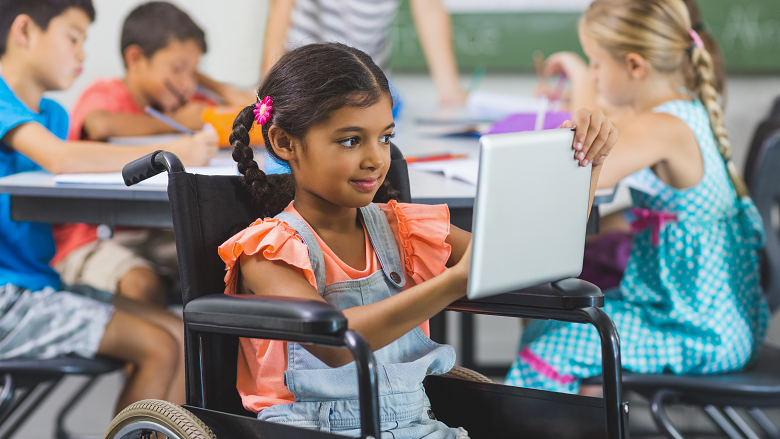
The Olympic Games are held in summer and winter editions, and the Paralympic Games give athletes with physical disabilities the opportunity to compete at the highest level. These events show how sport can bring nations together and celebrate human effort and determination.
Benefits of Games
Physical benefits
Regular physical activity strengthens the heart, muscles and bones, helps maintain a healthy weight, and improves sleep. For children, active play is essential for healthy growth. The World Health Organization recommends that children and adolescents get an average of at least an hour of moderate to vigorous physical activity per day, and sport is one of the most enjoyable ways to achieve this.
Mental benefits
Games such as chess, puzzles and word games sharpen concentration, memory and planning. Physical sport also benefits the mind: exercise is widely recognised to help reduce stress and improve mood and focus, which in turn supports better learning.
Social and character benefits
- Teamwork and cooperation: team sports teach players to work together toward a shared goal.
- Discipline and patience: following rules, training regularly and waiting for one’s turn build self-control.
- Sportsmanship: learning to win humbly and lose gracefully is a lesson for life.
- Leadership: captains and senior players learn to guide and encourage others.
- Cultural exchange: international sports introduce people to other nations and cultures, while traditional games keep local heritage alive.
In short, the world of sport is colourful: winning teaches determination, losing teaches resilience, and every moment of fair play teaches the real joys of life.
Sports and Recreation in the Sunnah
Islam is a practical religion that recognises the human need for rest, recreation and physical strength. The life of the Prophet (peace be upon him) contains many examples.
Strength is valued
The Prophet said: “The strong believer is better and more beloved to Allah than the weak believer, while there is good in both” (Sahih Muslim, Hadith 2664). Scholars explain that this strength includes strength of faith and resolve, and physical fitness supports both.
Racing
‘A’ishah (may Allah be pleased with her) narrated that she raced with the Prophet on a journey and won. Some years later, when she had put on weight, they raced again and he won, and he said with a smile: “This is for that” (Sunan Abi Dawud, Hadith 2578). The Prophet also organised horse races between the Companions (Sahih al-Bukhari, Hadith 420).
Archery
The Prophet passed by some people of the tribe of Aslam practising archery and said: “Shoot, O children of Isma’il, for your father was an archer” (Sahih al-Bukhari, Hadith 2899). He encouraged skills that build strength, focus and readiness.
Recreation in the mosque
On a day of celebration, a group of Abyssinians displayed their skill with spears in the Prophet’s mosque. The Prophet stood and let ‘A’ishah watch from behind him until she had had enough (Sahih al-Bukhari, Hadith 454). This shows that healthy, skilful recreation is not opposed to religion.
Recreation with family
The Prophet was gentle and playful with children and family. He would let his grandsons Hasan and Husayn climb on his back, and he joked with children in a way that made them feel loved. Balanced recreation is part of a healthy Muslim home.
A widely circulated saying attributed to ‘Umar bin al-Khattab advises teaching children swimming, archery and horse riding. While scholars discuss the strength of its chain, its message matches the spirit of the Sunnah: teach children skills that make them strong, confident and useful.
Islamic Guidelines and Cautions
Islam permits and encourages games that are beneficial, but within clear limits. Scholars generally mention the following conditions:
- No gambling or betting. Allah says: “Intoxicants, gambling, stone altars and divining arrows are filth from the work of Satan, so avoid them so that you may succeed” (Al-Ma’idah 5:90). Any game played for money that one side wins from the other falls under gambling. For this reason, games like poker, and any game played for stakes, have no place in a Muslim’s life.
- No neglect of prayer and duties. A game that makes a person miss prayer, delay obligations or neglect family and studies has crossed its limit. Allah describes the believers as people whom “neither trade nor sale distracts from the remembrance of Allah and establishing prayer” (Al-Nur 24:37).
- Modesty and decency. Clothing, language and behaviour during sport should remain within Islamic limits. Abusive language and mocking opponents are contrary to good character.
- No harm to oneself or others. Dangerous practices, deliberate injury and cruelty to animals are not allowed.
- Moderation in time. Recreation is meant to refresh a person for his responsibilities, not to replace them.
Scholars have discussed certain dice-based games in detail, because of a hadith in Sahih Muslim (Hadith 2260) warning against the game of nard (backgammon). Families who wish to be careful about specific board games should consult a scholar they trust.
A special word on video games
Video games can develop problem-solving and coordination, but they also carry serious risks when overused. The World Health Organization has recognised “gaming disorder” in its International Classification of Diseases (ICD-11), describing a pattern in which gaming takes priority over other interests and daily activities despite harmful consequences. Many popular battle games also involve violence, foul language, inappropriate content or in-game purchases that resemble gambling.
Practical advice for parents and young people:
- Set clear time limits and keep gaming after homework, prayer and family duties.
- Check the content and age rating of a game before allowing it.
- Avoid games with loot boxes or paid chance-based rewards, which resemble gambling.
- Prefer outdoor and physical games, especially for children.
- Watch for warning signs, such as anger when asked to stop, falling grades, poor sleep or withdrawal from family. If gaming seems to be taking control, speak to a counsellor or doctor.
Sports in Pakistan and Around the World
Popular sports in Pakistan
- Cricket is by far the most popular sport. Pakistan won the Cricket World Cup in 1992, the ICC World Twenty20 in 2009 and the ICC Champions Trophy in 2017.
- Field hockey is widely regarded as Pakistan’s national game. Pakistan won Olympic gold medals in hockey three times (1960, 1968 and 1984) and won the Hockey World Cup four times (1971, 1978, 1982 and 1994), a record.
- Squash brought Pakistan unmatched glory through players such as Jahangir Khan and Jansher Khan.
- Kabaddi is a traditional sport loved across Pakistan and South Asia, combining strength, speed and breath control.
Famous Pakistani sports figures
- Jahangir Khan (squash): widely regarded as one of the greatest squash players of all time. He remained unbeaten in competitive matches for more than five years in the 1980s.
- Hanif Khan (hockey): a legendary forward and a member of the team that won Olympic gold in 1984.
- Shahid Afridi (cricket): an all-rounder famous for his explosive batting, popularly known as “Boom Boom”.
Some unusual sports from around the world
- Cheese rolling (England): competitors chase a round cheese down a very steep hill at Cooper’s Hill in Gloucestershire.
- Buzkashi (Afghanistan and Central Asia): riders on horseback compete to carry a goat carcass to a goal, a test of horsemanship and strength.
Conclusion
Games and sports are a bright and lively part of human life. They keep the body healthy and the mind sharp, teach teamwork, discipline and sportsmanship, keep cultural traditions alive, and bring people and nations together. The Sunnah shows that the Prophet (peace be upon him) valued strength, raced, encouraged archery and allowed joyful recreation.
At the same time, Islam reminds us that recreation is a means, not an end. Games must stay free from gambling, must not make us neglect prayer and responsibilities, and must not become an addiction, especially in the case of video games. Within these limits, we should take part in healthy games ourselves and encourage others, particularly children and young people, to do the same, so that our bodies, minds and characters remain strong.
References
- The Holy Qur’an: Al-Ma’idah 5:90; Al-Nur 24:37.
- Sahih al-Bukhari, Hadith 420, 454, 2899.
- Sahih Muslim, Hadith 2260, 2664.
- Sunan Abi Dawud, Hadith 2578.
- World Health Organization, guidelines on physical activity for children and adolescents, and International Classification of Diseases (ICD-11), entry on gaming disorder.